
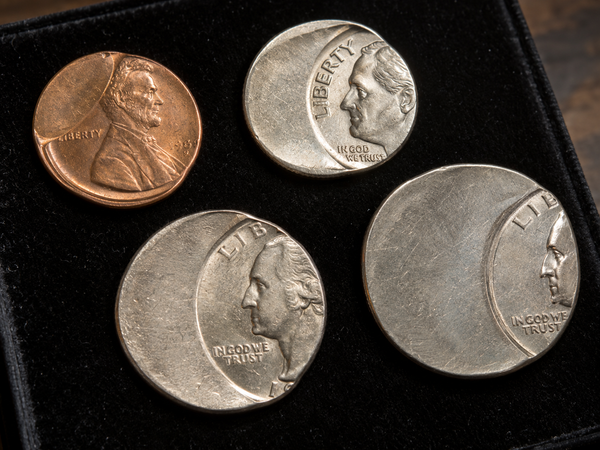
If you have ever noticed a coin that looked a little… off, then you should read this post! Today we will learn about a fairly common (but still somewhat valuable) type of error coin. The off center error coin can look much different depending on the situation and how it was struck. But before we begin, make sure to sign up for a free membership to Rich Off Error Coins so you will have access to all the information on the site. Members will also get exclusive updates on rare finds and freebies delivered straight to your inbox. Just sign up here and you will also be first in line to test out Marcus Mint as soon as we release the first build.
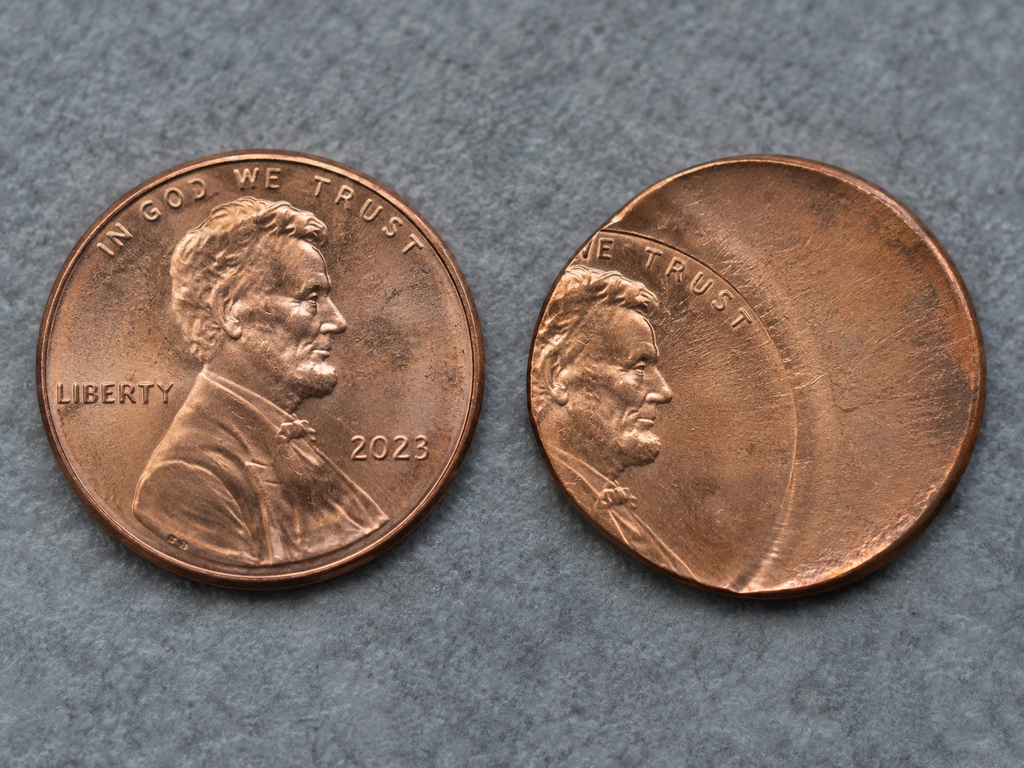
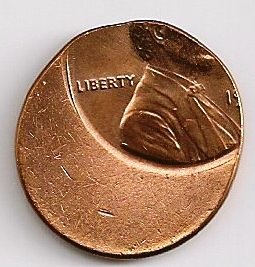
Finding an off center error coin in your pocket change is the kind of thing that can make you stop what you’re doing and take a second look. Instead of the design being perfectly centered on the coin, part of it is shifted toward one side, leaving a blank area where the design was never struck.
Some off-center coins are only slightly misaligned, while others can be so dramatic that half or more of the design is missing. And yes, genuine off-center error coins can be worth considerably more than their face value.
But before you start planning what to spend your newfound fortune on, you need to make sure the coin is actually a mint error.
In this guide, we’ll break down exactly what an off center error coin is, how it happens, how to tell a real one from damage, and what makes some examples much more valuable than others.
What Is an Off Center Error Coin?
An off center error coin is created when a blank coin, called a planchet, is not positioned correctly between the dies when the coin is struck.
Normally, the planchet enters the coining press and sits in the correct position inside the collar. The obverse and reverse dies then strike the planchet with enough pressure to create the coin’s design.
If the planchet is only partially positioned between the dies when the strike occurs, only part of the coin receives the design.
The remaining portion stays blank.
This produces the unmistakable appearance of an off-center strike.
Depending on how badly the planchet was misaligned, the coin may be only a few percent off center or it could have most of its design missing.
What Does an Off Center Error Coin Look Like?
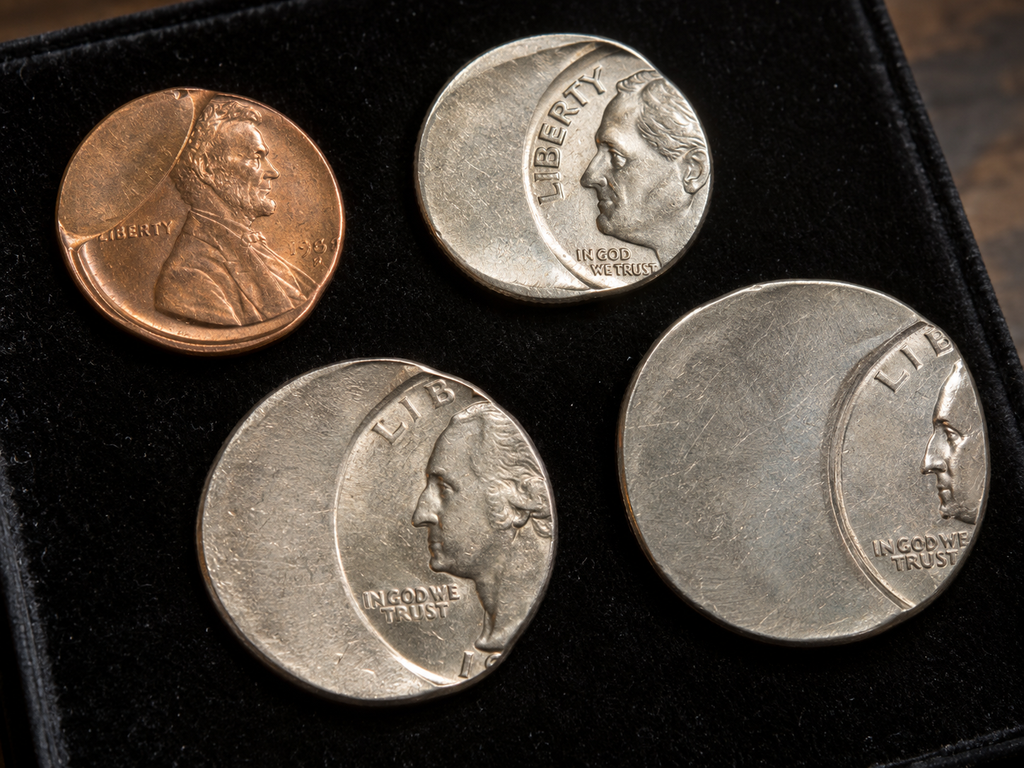
A genuine off-center coin normally has a section of completely blank planchet next to the struck portion of the coin.
For example, imagine a Lincoln cent where Lincoln, the date, and most of the lettering have been pushed toward the right side of the coin. The left side may contain a large crescent-shaped area of completely blank copper or zinc-plated planchet.
The amount of missing design is normally described using a p ercentage.
A coin might be described as:
- 5% off center
- 10% off center
- 25% off center
- 50% off center
- 75% off center
A coin that is approximately 50% off center will have roughly half of its normal design visible and half of the planchet unstruck.
The more dramatic the error, the easier it usually is to recognize.
How Does an Off Center Error Coin Happen?
Modern coins are produced incredibly fast. Planchets are automatically fed into a coining press where they must be properly positioned before being struck.
Occasionally, something goes wrong.
A planchet may enter the striking chamber incorrectly or fail to become properly positioned inside the collar.
When the dies come together, only the portion of the planchet located between them receives the design.
The rest of the planchet escapes the strike.
The result is a genuine mint-made error.
That distinction is extremely important.
Damage that happens after a coin leaves the Mint does not make it an error coin.
Off Center Error Coin vs. Broadstrike
One mistake new collectors commonly make is confusing an off-center strike with a broadstrike.
They are related striking errors, but they aren’t the same thing.
With an off center error coin, part of the normal coin design is missing because part of the planchet was outside the striking area.
A broadstruck coin is struck without being properly contained by the collar, allowing the metal to spread outward. However, the entire design is generally still present.
An easy way to remember it is:
Missing part of the design = potentially off center.
Full design but unusually wide or spread out = potentially broadstruck.
Knowing the difference can save you from incorrectly identifying an error.
How Much Is an Off Center Error Coin Worth?
There isn’t one set value for every off center error coin.
Two coins with the same percentage off-center strike can have completely different values.
Collectors consider several factors when determining how desirable an error is.
Percentage Off Center
The percentage of the design missing can have a major impact on collector interest.
Very minor off-center strikes may receive less attention because the error isn’t particularly dramatic.
Larger errors are usually much easier to see and can be considerably more interesting.
However, bigger doesn’t automatically mean better.
There is another extremely important factor.
Is the Date Still Visible?
For many collectors, an off-center coin becomes especially desirable when the error is dramatic and the full date and mint mark remain visible.
Imagine two Lincoln cents that are both struck 50% off center.
One still clearly shows the complete date and mint mark.
The other has the entire date missing.
Even though both are dramatic errors, the dated example may be easier to identify and more desirable to collectors.
This is why a dramatic strike around 40% to 60% off center with identifying information still visible can be especially interesting.
Coin Denomination
The type of coin matters too.
Off-center Lincoln cents are known to exist and are popular with error collectors, but finding a major off-center strike on a larger denomination may be much more unusual.
Collectors may pay stronger premiums for off-center strikes involving certain:
- Nickels
- Dimes
- Quarters
- Half dollars
- Dollar coins
- Older U.S. coinage
- Proof coins
Rarity within the particular coin series matters just as much as the error itself.
Date and Mint Mark
A common-date coin with an off-center strike can still be collectible.
But combine an error with an already desirable date, mint mark, or coin series and things can get much more interesting.
You are no longer dealing with only the value of the mint error.
You also have the underlying value and rarity of the coin itself.
Condition
Condition still matters on error coins.
A genuine Mint State off-center coin with strong original surfaces will generally be more desirable than a heavily circulated, scratched, corroded, or damaged example of the same error.
Do not clean an error coin.
Cleaning can permanently alter the surface and potentially reduce its collector value.
How to Tell If an Off Center Error Coin Is Real
This is where things can get tricky.
Not every strange-looking coin is a mint error.
Coins take an unbelievable amount of abuse after entering circulation. They get crushed, bent, cut, hammered, scraped, heated, drilled, squeezed, and sometimes intentionally altered.
This damage can occasionally make a normal coin look like an error.
When examining a possible off-center strike, look at the blank area carefully.
A genuine off-center error should show an area of the original planchet that simply never received the coin’s design.
You shouldn’t see obvious evidence that the design was ground away, filed off, or intentionally removed.
Also look at the overall shape of the coin. A significant off-center strike can cause the metal to expand differently than it would during a normal centered strike.
If you believe you have a valuable example, professional authentication may be worth considering.
Can an Off Center Error Coin Have Other Errors?
Absolutely.
This is where error collecting can get really interesting.
A coin can experience more than one problem during the minting process.
For example, it is possible to find coins that were struck multiple times, with one or more of those strikes occurring off center.
You could potentially encounter combinations involving:
- Double strikes
- Multiple strikes
- Off-center second strikes
- Partial collars
- Indents
- Other striking errors
Coins containing multiple legitimate mint errors can be considerably more unusual than a standard single-error coin.
Always examine the entire coin instead of stopping after finding the first obvious error.
Are Off Center Lincoln Cents Valuable?
Lincoln cents are one of the most popular places for beginning error collectors to start looking.
Part of the reason is simple: there are billions of cents out there to search.
A slightly misaligned cent isn’t automatically valuable, but a true off-center Lincoln cent with a clearly visible blank section of planchet can definitely be collectible.
The most interesting examples usually combine several desirable characteristics:
A dramatic off-center strike, a visible date and mint mark, good overall condition, and strong eye appeal.
Older Lincoln cents with legitimate off-center errors can also attract serious attention from error collectors.
Where Can You Find Off Center Error Coins?
Most people aren’t going to pull a spectacular error coin out of their pocket every week.
That’s exactly why searching is fun.
You never know what slipped through.
Places to search include bank rolls, loose change, old coin collections, inherited collections, coin dealer bargain bins, estate sales, and large quantities of unsorted coins.
Lincoln cent rolls can be particularly inexpensive to search compared with higher denominations.
When searching coins, don’t rush.
Look at the position of the design, rim, lettering, date, and mint mark.
After enough searching, normal coins begin looking almost identical and unusual examples start jumping out at you.
Should You Get an Off Center Error Coin Graded?
Not every error coin needs professional grading.
If you have a relatively inexpensive off-center cent, the cost of grading may be higher than the value added by authentication.
For a dramatic, unusual, older, high-grade, or potentially valuable error, professional authentication can make much more sense.
Third-party grading can help confirm that the error occurred during the minting process rather than after the coin entered circulation.
It can also make an expensive error easier to sell because potential buyers have independent authentication of what the coin actually is.
Never Clean Your Error Coins
If you think you’ve found an off center error coin, resist the temptation to make it shiny.
Seriously.
Leave it alone.
Collectors generally prefer original coin surfaces. Polishing or cleaning a coin can leave tiny scratches and permanently change its appearance.
Instead, handle the coin carefully by its edges and place it inside an appropriate coin holder.
You can always clean dirt off your kitchen counter.
You can’t put an original coin surface back once you’ve scrubbed it away.
Is Your Coin Really an Off Center Error?
Finding a strange coin is only the beginning.
The real challenge is determining why it looks strange.
A genuine off center error coin was created during the minting process when the planchet was improperly positioned during the strike. That makes it completely different from a normal coin that was damaged later.
When examining your coin, pay attention to:
- How much of the design is missing
- Whether blank planchet is visible
- Whether the date is still present
- Whether the mint mark is visible
- The denomination
- Overall condition
- Signs of post-mint damage
- Any additional mint errors
The combination of these characteristics determines whether you’ve found a minor curiosity or something much more exciting.
And that’s the fun of hunting error coins.
That beat-up jar of pennies sitting in someone’s closet might look like nothing more than pocket change.
Until one coin doesn’t look like the rest.
Frequently Asked Questions About Off Center Error Coins
What is an off center error coin?
An off center error coin is created when a coin blank is incorrectly positioned during striking, causing only part of the planchet to receive the coin’s design.
Are off center error coins rare?
True off-center strikes are mint errors and are much less common than normally struck coins. Rarity varies considerably depending on denomination, date, percentage off center, and other characteristics.
Are off center pennies worth money?
Yes. Genuine off-center Lincoln cents normally carry a collector premium, although the amount can vary substantially depending on the severity of the error, date visibility, condition, and rarity.
Is a coin more valuable if it is 50% off center?
A dramatic off-center percentage can make a coin more desirable, but percentage alone doesn’t determine value. Having the date and mint mark visible can also be extremely important.
What percentage off center is valuable?
There is no single percentage that automatically makes a coin valuable. More dramatic errors often attract stronger collector interest, particularly when enough of the design remains to identify the coin.
Is an off-center coin the same as a broadstrike?
No. An off-center strike has part of the normal design missing because the planchet wasn’t completely between the dies. A broadstrike generally retains the complete design but spreads beyond the coin’s normal diameter because it wasn’t properly constrained by the collar.
Should I clean an off center error coin?
No. Cleaning can damage the original surface and reduce collector appeal. Handle a suspected error carefully and store it safely instead.
How do I know what my off center error coin is worth?
Identify the denomination, date, mint mark, approximate percentage off center, condition, and whether the date remains visible. Then compare your coin with authenticated examples and recent sales of similar errors. Particularly unusual or valuable-looking examples may be worth having professionally authenticated.
SEO Information
Primary Keyword: off center error coin
SEO Title: Off Center Error Coin: Identification & Value Guide
Meta Description: Think you found an off center error coin? Learn how off-center strikes happen, how to identify a genuine mint error, and what can make one valuable.
Suggested URL Slug: /off-center-error-coin/
Excerpt: An off center error coin is created when a planchet is improperly positioned during striking, leaving part of the coin blank. Learn how to identify genuine off-center strikes, avoid confusing damage with errors, and discover what factors can make these coins valuable.
Secondary Keywords: off center coin, off center coin error, off center strike error, off center penny, off center penny value, off center error coin value, off center strike coin, mint error coins, valuable error coins, coin errors
Suggested Image ALT Text: Off center error coin showing a partially missing design and blank planchet
Suggested Category: Error Coins
Suggested Tags: Off Center Error, Error Coins, Mint Errors, Off Center Strike, Lincoln Cent Errors, Valuable Coins