Rich Off Error Coins is a website devoted to sharing information about valuable error coins and varieties. If you would like help with selling or getting a valuation of your coins, check out our facebook page. Also, please remember, Rich Off Error Coins is just a hobby website that I built because I enjoy numismatics. Any links on the page can potentially be affiliate links which share a small amount of money off each sale with the affiliate. So, please click a link and purchase something if you want to support me and my love for coins. This is Coin Collecting for Beginners: Tips, Tricks, and Mistakes to Avoid
Coin collecting for beginners can feel exciting, confusing, and a little overwhelming all at the same time. One minute you are checking pocket change, and the next minute you are hearing words like doubled die, repunched mint mark, broadstrike, die chip, cud, RPM, variety, mint error, and key date.
That is where a lot of new collectors get lost.
The good news is this: you do not need to be rich to start collecting coins. You do not need a giant safe, a professional microscope, or a college degree in numismatics. What you do need is patience, a good eye, the right tools, and reliable information.
This beginner coin collecting guide will walk you through the basics, including how to get started, what tools you need, how to protect your coins, how to research varieties, and which common mistakes to avoid.
Whether you are searching through pocket change, coin rolls, inherited coins, or old jars of change, these tips can help you build a smarter collection from the beginning.
What Is Coin Collecting?
Coin collecting is the hobby of saving, studying, organizing, and sometimes buying or selling coins. Some collectors focus on old coins. Some collect silver coins. Some collect coins by date and mint mark. Others search for mint errors and varieties that may be worth more than face value.
At Rich Off Error Coins, we focus heavily on error coins, varieties, and coins that may have hidden value. That includes things like doubled dies, off-center strikes, die cracks, repunched mint marks, clipped planchets, wrong planchet errors, and other unusual minting issues.
But before you start chasing rare coins, you need to understand the basics.
A smart collector does not just ask, “Is this coin worth money?”
A smart collector asks:
- What kind of coin is this?
- What year and mint mark is it?
- Is it damaged or is it a real mint error?
- Is it common or scarce?
- Is there a known variety for this date?
- What condition is the coin in?
- Where can I verify what I am seeing?
That last question is one of the most important.
Why Coin Collecting for Beginners Starts With Good Information
One of the biggest mistakes new collectors make is relying only on social media comments, random YouTube videos, or quick internet guesses. There is a lot of good information online, but there is also a lot of bad information.
Some people call every damaged coin an error. Some people call every shiny coin rare. Some people think every 1982 penny or every bicentennial quarter is automatically valuable. That is how new collectors end up wasting time and sometimes money.
You need a reliable source for coin varieties and coin values.
Rich Off Error Coins is built to help collectors learn about error coins, varieties, and valuable coins in a simple way. You can use this website as a helpful starting point when learning what to look for and how to understand what you find.
However, every serious collector should also own trusted coin books. Two of the best resources for beginners are:
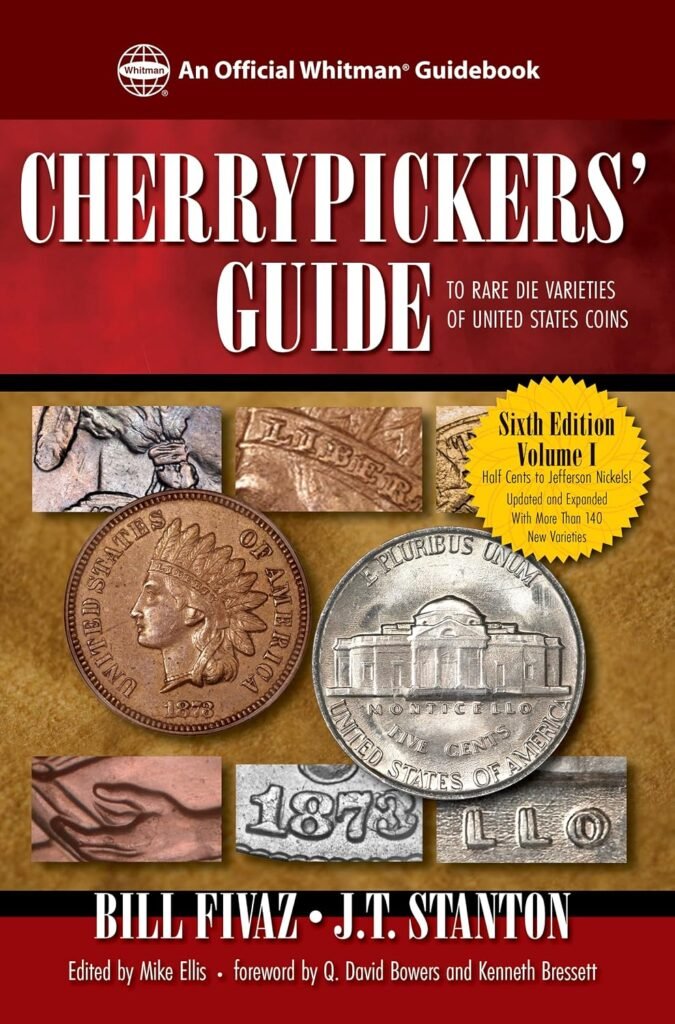
The Cherrypickers’ Guide
The Cherrypickers’ Guide is one of the most useful books for collectors who want to search for valuable die varieties. It helps collectors identify important varieties that can sometimes be found by carefully checking ordinary-looking coins.
This book is especially helpful because it teaches you what to look for, where to look, and why certain varieties are valuable. If you are interested in doubled dies, repunched mint marks, overdates, and other collectible varieties, The Cherrypickers’ Guide can save you from guessing.
It is called “cherrypicking” because the goal is to find valuable coins that other people missed. That is the dream, right? Finding treasure hiding in plain sight while everyone else walks right past it.
You can purchase The Cherrypickers Guide by clicking here!
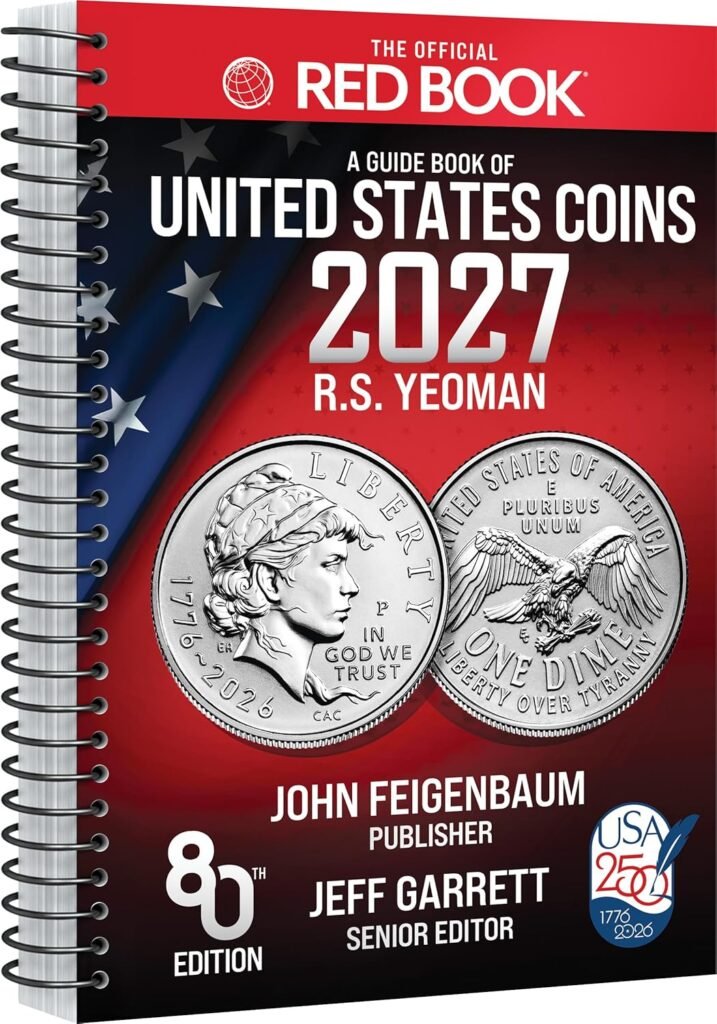
The Red Book
The Red Book, officially known as A Guide Book of United States Coins, is another must-have for coin collecting beginners. It gives you a broad overview of U.S. coins, mintages, general values, historical information, and key dates.
The Red Book is not perfect for exact real-time pricing, because coin values can change, but it is excellent for learning which coins are common, which ones are better dates, and which coins deserve a closer look.
For beginners, The Red Book is like the map before the treasure hunt. You can hunt without it, but you are probably going to wander around lost and call a parking lot a gold mine.
Purchase your copy of The Red Book here!
Basic Coin Collecting Tools Every Beginner Should Have
You do not need a professional lab to start collecting coins, but having the right basic tools will make a huge difference. These tools help you see details, weigh coins, protect coins, and avoid damaging something that could be valuable.
Here are some of the most useful tools for coin collecting beginners.
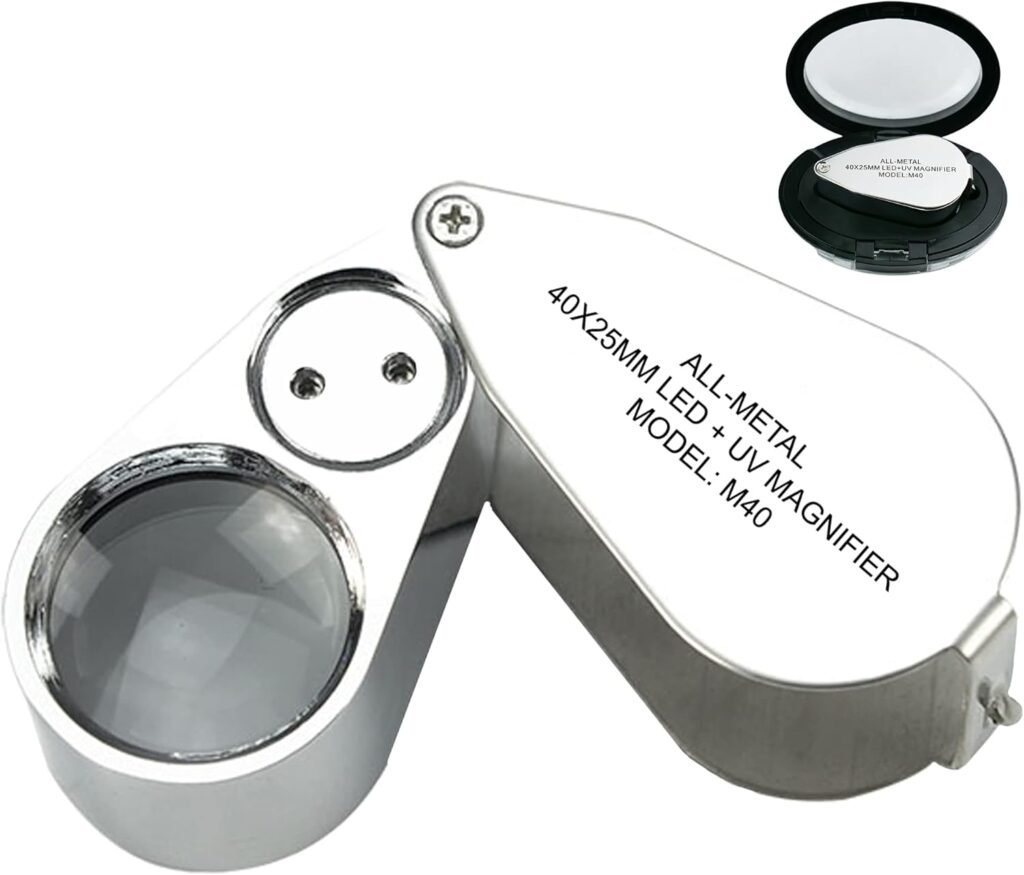
1. A Good Coin Loupe
A loupe is a small magnifying tool that helps you inspect tiny details on a coin. Most collectors use a loupe to look closely at dates, mint marks, lettering, doubling, die cracks, and surface condition.
A good loupe is one of the first tools every beginner should buy.
Why does it matter?
Because many valuable varieties are not obvious with the naked eye. Some doubled dies are dramatic and easy to see, but others are much more subtle. A loupe helps you inspect areas like:
- The date
- The mint mark
- Liberty
- In God We Trust
- United States of America
- E Pluribus Unum
- The coin’s rim
- Small design details
A loupe can also help you tell the difference between a possible variety and simple damage. For example, a smashed letter may look like doubling at first, but under magnification, you may see that it is just flattened metal from a hit.
For beginners, a 10x loupe is usually a good place to start. Stronger magnification can be useful, but too much magnification can also make every tiny scratch look like a major discovery. And trust me, if every scratch was rare, we would all be retired by now.
Purchase a loupe here for under $20
2. A Digital Magnification Device
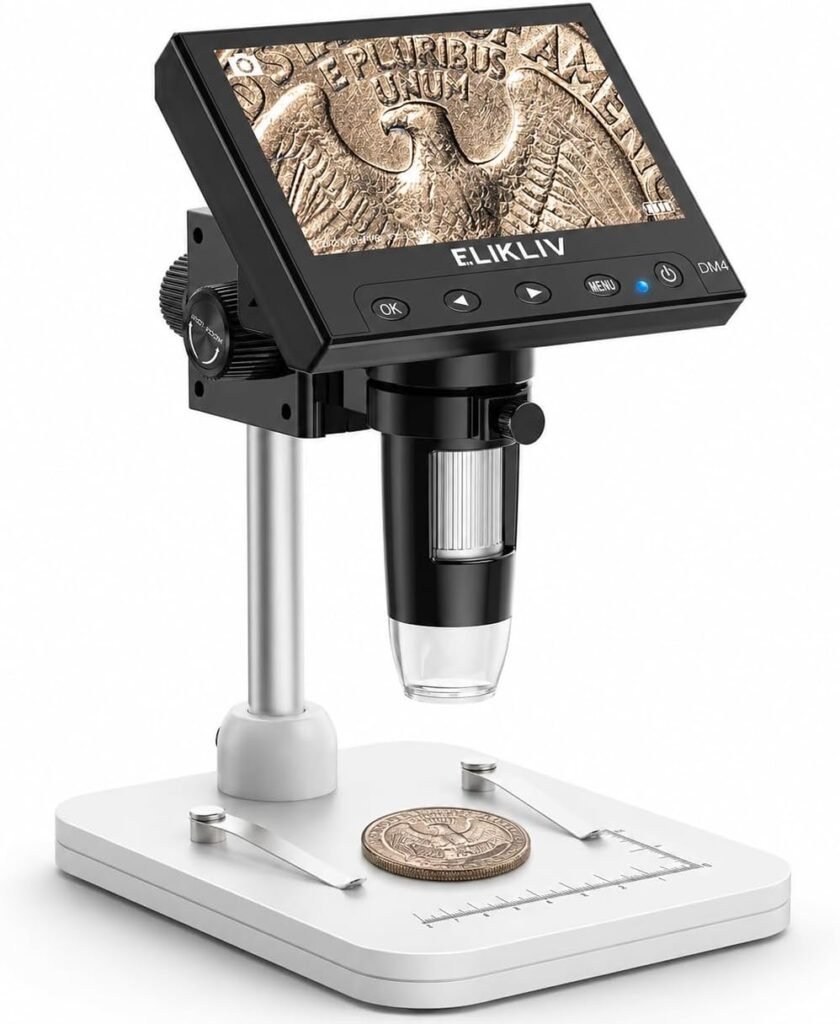
A digital magnification device, often called a digital microscope or USB microscope, is extremely helpful for coin collecting. This tool lets you view the coin on a screen instead of squinting through a small lens.
For new collectors, this can be a game changer.
A digital magnifier is useful because it allows you to:
- Zoom in on small details
- Take photos of possible errors or varieties
- Compare your coin to known examples
- Share clear images with other collectors
- Study die markers more carefully
- See details that are hard to view with a handheld loupe
This is especially useful if you are looking for error coins and varieties. When you can take clear photos of the coin, it becomes much easier to research, ask questions, and document what you found.
Digital magnification can also help with coin photography. If you plan to sell coins online, submit coins for opinions, or post photos in coin groups, clear images matter. Blurry coin photos are where good answers go to die.
This is the digital magnifyer I use and its amazing! Plus it's only $33!
3. Non-PVC Mylar Coin Flips
Once you start finding coins worth keeping, you need a safe way to store them. One of the easiest options is using coin flips, but you need to make sure they are safe for long-term coin storage.
The key phrase to look for is non-PVC.
PVC stands for polyvinyl chloride. Some soft plastic holders contain PVC, and over time, PVC can damage coins. It can leave a greenish film or residue on the surface, and that can seriously hurt the coin’s appearance and value.
Non-PVC mylar flips are much safer for storing collectible coins. They are affordable, easy to label, and great for organizing your finds.
Mylar flips are useful because they help you:
- Protect coins from fingerprints
- Keep coins separated
- Label the date, mint mark, and possible error
- Store coins in boxes or albums
- Avoid unnecessary handling
- Keep your collection organized
When you find a coin that might be valuable, do not toss it loose in a drawer with a bunch of other coins. That is how scratches, dents, and heartbreak happen.
Put it in a safe holder, label it, and research it properly.
These are the flips I use. Get them here for a great price!
4. Digital Coin Scales
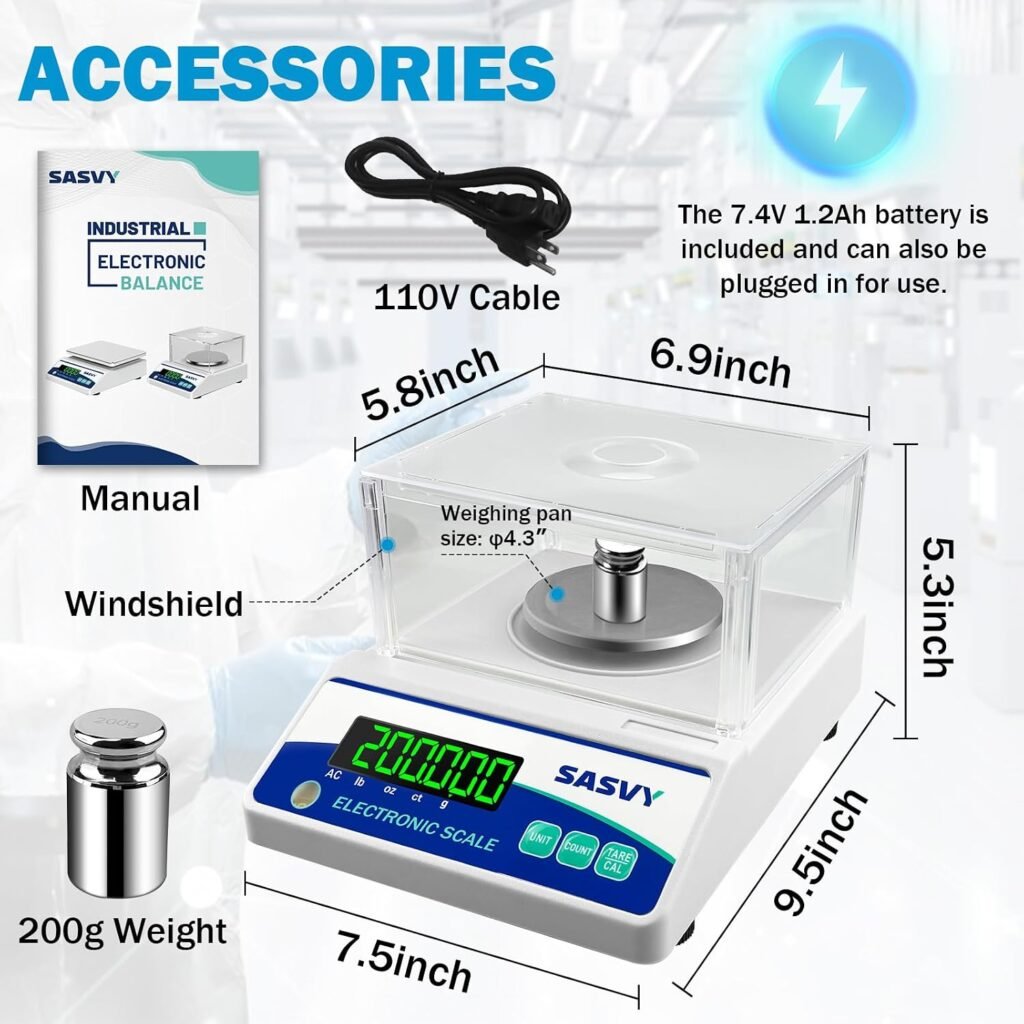
A digital scale is another tool that can come in handy for coin collectors. You do not always need one, but when you do need it, it can be extremely useful.
For coin collecting, look for a scale that measures in grams and is accurate to at least 0.01 grams. Some collectors prefer a more precise 0.001 gram scale, especially when checking very small differences.
A digital scale can help you:
- Check if a coin is the correct weight
- Identify possible wrong planchet errors
- Compare silver coins to standard weights
- Detect suspicious lightweight or overweight coins
- Help spot counterfeit coins
- Verify coins with missing metal, clips, or planchet issues
For example, if a coin looks strange, weighing it can give you another clue. A coin that is much lighter or heavier than it should be may deserve more research. That does not automatically mean it is valuable, but it does tell you something is different.
Scales are also helpful when checking silver coins, foreign coins, and possible wrong planchet errors. Weight alone does not prove everything, but it is one more piece of evidence.
Coin collecting is a lot like detective work. The more clues you have, the better your chances of solving the case.
These scales are amazing! Extremely accurate.
5. A Good Light Source
Lighting matters more than many beginners realize. A coin can look completely different depending on the angle and type of light you use.
Good lighting can help you see:
- Doubling
- Scratches
- Cleaning marks
- Die cracks
- Luster
- Wear
- Rim damage
- Surface problems
A small adjustable desk lamp or LED light can make coin searching much easier. Try moving the coin under the light at different angles. Sometimes doubling or die cracks are easier to see when the light hits just right.
Do not rely only on one photo or one angle. Rotate the coin. Tilt it. Look again. Coins like to hide secrets like they owe somebody money.
Affiliate link placeholder: Add your coin light or desk lamp link here.
6. Gloves or Proper Handling Habits
Some collectors use cotton gloves or nitrile gloves when handling coins, especially higher-value coins. Gloves can help prevent fingerprints, oils, and dirt from getting on the coin’s surface.
However, gloves are not always required for common coins. What matters most is learning how to handle coins properly.
Always hold collectible coins by the edges. Avoid touching the front or back surface of the coin. Fingerprints can leave oils behind, and over time, that can affect the coin’s appearance.
A simple rule for beginners:
If you think the coin might be valuable, handle it like it is valuable until you know otherwise.
That does not mean panic every time you touch a penny. It just means be careful. Coins can survive more than people think, but careless handling can still lower value.
Affiliate link placeholder: Add your coin gloves link here.
7. A Notebook or Digital Inventory
You should also keep track of your coins. This does not have to be fancy when you are starting out. A notebook, spreadsheet, or simple digital file can work.
Record information such as:
- Coin type
- Year
- Mint mark
- Possible error or variety
- Weight
- Where you found it
- Estimated value
- Notes
- Photos
This helps you avoid forgetting what you found and why you kept it. It also makes your collection easier to organize later.
If you plan to sell coins, keeping records can also help you track what you paid, what sold, and what still needs research.
A messy coin collection turns into a treasure hunt inside your own treasure hunt, and not in a fun way.
Coin Collecting Tips for Beginners
Now that you know the basic tools, here are some practical beginner coin collecting tips that can help you avoid mistakes and build a better collection.
Start With Pocket Change
You do not have to start by buying expensive coins. In fact, many beginners should start with pocket change.
Pocket change teaches you how to identify dates, mint marks, designs, and common damage. It also gives you practice searching without risking much money.
Look through:
- Pennies
- Nickels
- Dimes
- Quarters
- Half dollars
- Change jars
- Coin rolls from the bank
- Inherited coins from family
You may not find a fortune overnight, but you will train your eye. That matters.
The best collectors are not just lucky. They know what they are looking at.
Learn the Difference Between Errors and Damage
This is one of the biggest lessons in coin collecting for beginners.
Not every weird coin is a mint error.
Coins get damaged after they leave the mint. They get scratched, smashed, bent, burned, cleaned, stained, drilled, painted, and run over by who knows what. Post-mint damage is extremely common.
A true mint error happens during the minting process.
Examples of real mint errors may include:
- Off-center strikes
- Broadstrikes
- Clipped planchets
- Wrong planchet errors
- Die caps
- Cuds
- Die clashes
- Lamination errors
Examples of common damage may include:
- Scratches
- Dryer coins
- Acid damage
- Road damage
- Glue residue
- Heat damage
- Plating bubbles
- Cleaning marks
- Coins smashed by tools
Learning this difference can save you a lot of embarrassment and money. It can also help you focus on coins that actually have collector interest.
Do Not Clean Your Coins
This is one of the most important coin collecting tips for beginners:
Do not clean your coins.
Cleaning a coin can destroy its value. Even if the coin looks dirty, cleaning can leave scratches, remove original surfaces, and make collectors less interested in buying it.
Many beginners think cleaning makes a coin better. In most cases, it does the opposite.
Collectors usually prefer coins with original surfaces, even if they are toned or dark. A cleaned coin may look shiny, but shiny does not always mean valuable. Sometimes shiny means somebody just scrubbed the money right out of it.
If you think a coin may be valuable, leave it alone and research it first.
Check the Date and Mint Mark First
Before you worry about errors, start with the basics.
Look at the date and mint mark.
The date tells you the year the coin was made. The mint mark tells you where it was made. Some mint marks are more common than others depending on the coin and year.
Common U.S. mint marks include:
- P for Philadelphia
- D for Denver
- S for San Francisco
- W for West Point
Some older coins may not have a mint mark, especially coins made in Philadelphia during certain years.
The date and mint mark combination is important because some varieties are only known for certain dates and mints. A doubled die on one year may be valuable, while similar-looking doubling on another year may just be machine doubling or damage.
That is why good references matter.
Research Before You Buy
Buying coins can be fun, but beginners need to be careful. Do not buy a coin just because the seller says it is rare.
Before buying, ask:
- Is this a real variety?
- Is it certified by a trusted grading company?
- Is the price fair?
- Are similar coins selling for that amount?
- Is the coin cleaned or damaged?
- Is the seller reputable?
- Can I verify the information in a trusted guide?
Many new collectors overpay because they get excited. That is normal, but it can get expensive fast.
When in doubt, slow down. There will always be another coin.
The coin market rewards knowledge. The less you know, the easier it is for someone else to profit from your excitement.
Learn About Coin Grades
Coin grading is the process of judging a coin’s condition. Condition can have a huge effect on value.
A coin in poor condition may be worth very little, while the same coin in excellent condition may be worth much more.
Basic grading terms include:
- Poor
- Good
- Very Good
- Fine
- Very Fine
- Extremely Fine
- About Uncirculated
- Mint State
- Proof
Beginners do not need to become professional graders right away, but you should learn the basics. Look at wear, scratches, cleaning, rim damage, luster, and eye appeal.
A rare coin in bad condition may still have value, but condition always matters.
Be Careful With Online Coin Prices
Online prices can be confusing. Just because someone lists a coin for $5,000 does not mean it is worth $5,000.
Anyone can ask almost anything online. The better question is: what did similar coins actually sell for?
When researching coin values, look for sold prices, not just asking prices.
This is especially important with error coins and varieties. Some sellers list common damaged coins for ridiculous prices and hope a beginner bites.
Do not be the beginner who bites.
Use trusted references, compare sold listings, and learn before spending serious money.
Focus on One Area at First
Coin collecting is a huge hobby. You can collect pennies, nickels, dimes, quarters, half dollars, silver coins, proof sets, Morgan dollars, error coins, varieties, modern coins, ancient coins, foreign coins, and more.
Trying to learn everything at once can get overwhelming.
Pick one area to start with.
For example, you could focus on:
- Lincoln cents
- Jefferson nickels
- State quarters
- Wheat pennies
- Modern error coins
- Doubled die varieties
- Silver coins
- Coin roll hunting
Starting with one area helps you learn faster. Once you understand one series, you can branch out.
Since Rich Off Error Coins focuses on error coins and varieties, a great beginner path is to start with Lincoln cents and modern quarters. They are easy to find, affordable to search, and full of interesting varieties and minting issues.
Coin Roll Hunting for Beginners
Coin roll hunting is when collectors get rolls of coins from banks and search through them for valuable coins, older coins, silver coins, errors, and varieties.
This is one of the most affordable ways for beginners to start coin collecting.
You can search rolls of:
- Pennies
- Nickels
- Dimes
- Quarters
- Half dollars
Pennies are great for beginners because there are many varieties to look for. Nickels are also fun because older Jefferson nickels and wartime silver nickels can still show up sometimes.
Half dollars are popular with silver hunters, though they can be harder to find at some banks.
When coin roll hunting, always be respectful to bank employees. Do not make their day harder. A good relationship with a bank can help you get more rolls over time.
Common Mistakes New Coin Collectors Should Avoid
Every collector makes mistakes, but some mistakes are easy to avoid if you know about them early.
Here are some common beginner coin collecting mistakes:
Mistake #1: Thinking Every Odd Coin Is Rare
A coin can look strange and still be worthless. Damage is much more common than real mint errors.
Always research before assuming you found something rare.
Mistake #2: Cleaning Coins
Cleaning coins can destroy value. If you are unsure, do not clean it.
Mistake #3: Buying Before Learning
It is easy to overspend when you are new. Learn first, buy later.
Mistake #4: Ignoring Trusted References
Random online opinions are not enough. Use trusted books, websites, and verified variety listings.
Mistake #5: Storing Coins Incorrectly
Use safe holders like non-PVC mylar flips. Avoid soft PVC holders and loose storage.
Mistake #6: Trusting Crazy Online Prices
Listed prices are not the same as sold prices. Always check what similar coins actually sold for.
Mistake #7: Not Taking Clear Photos
If you want help identifying a coin, clear photos matter. Take pictures of both sides, the date, mint mark, and any suspicious area.
Best Coins for Beginners to Look For
Here are some types of coins beginners often enjoy searching for:
- Wheat pennies
- Pre-1965 silver dimes and quarters
- 1964 Kennedy half dollars
- 40% silver Kennedy half dollars from 1965–1970
- Buffalo nickels
- War nickels from 1942–1945
- State quarter errors
- Lincoln cent doubled dies
- Coins with die cracks or cuds
- Off-center strikes
- Clipped planchets
- Proof coins found in circulation
This does not mean every coin in these categories is valuable, but they are good places to start learning.
How Rich Off Error Coins Can Help New Collectors
Rich Off Error Coins is here to help collectors learn what to look for, how to identify possible mint errors, and how to avoid common beginner mistakes.
This website is designed for collectors who want simple, useful information without needing a dictionary beside them the whole time.
You can use Rich Off Error Coins to learn about:
- Error coins
- Coin varieties
- Valuable coins to search for
- Beginner collecting tips
- Coin hunting strategies
- Common fake errors
- Coin storage and tools
- How to research your finds
The goal is simple: help new collectors stop guessing and start learning.
Coin collecting can be fun, but it gets even better when you know what you are looking at.
Final Thoughts: Start Small, Learn Often, and Protect Your Coins
Coin collecting for beginners does not have to be complicated. Start with pocket change, learn the basics, get a few useful tools, and use trusted references.
At minimum, new collectors should consider having:
- A good coin loupe
- A digital magnification device
- Non-PVC mylar flips
- A digital scale
- A good light source
- The Cherrypickers’ Guide
- The Red Book
Each of these tools helps you collect smarter. A loupe helps you see details. A digital microscope helps you study and photograph coins. Mylar flips help protect your finds. A scale helps verify weight. Trusted books help you research varieties and values.
Most importantly, take your time.
You do not need to find a thousand-dollar coin on day one. The real win is learning how to spot opportunities that other people miss.
That is how collectors get better. That is how collections grow. And sometimes, that is how a regular coin turns into a very good day.
So grab some change, get your magnifier, open your guidebook, and start hunting.
There may be something valuable hiding in plain sight.