Most Valuable Error Coins: The Hidden Treasures Worth Six Figures (and Beyond)
 admin
adminThis post contains affiliate links. If you buy through them, we may earn a small commission at no extra cost to you. As an Amazon Associate I earn from qualifying purchases.
Error coins—unexpected minting mistakes—can transform everyday change into extraordinary value. In this guide, we unveil the most valuable error coins ever sold, explaining what drives their staggering prices and how you, too, can spot these rare anomalies.
Why Some Error Coins Are Worth Fortunes
Collectible error coins derive value from three key factors:
Most Valuable Error Coins Ever Sold
| Coin / Error Type | Notable Sale Price | What Makes It Special |
|---|---|---|
| 1943-D Bronze (Copper) Lincoln Cent | $840,000 | Unique wrong-metal transitional cent (numistrail.com) |
| 1943-S Bronze (Copper) Lincoln Cent | $504,000 | Rarest mintmark variant of the famed wartime error (numistrail.com) |
| 1944-S Steel Lincoln Cent | $490,500 | Struck on leftover steel planchet—rare off-metal error (numistrail.com) |
| 1943 Philadelphia Bronze Cent | $194,062.50 | More available but still six-figure rarity (numistrail.com) |
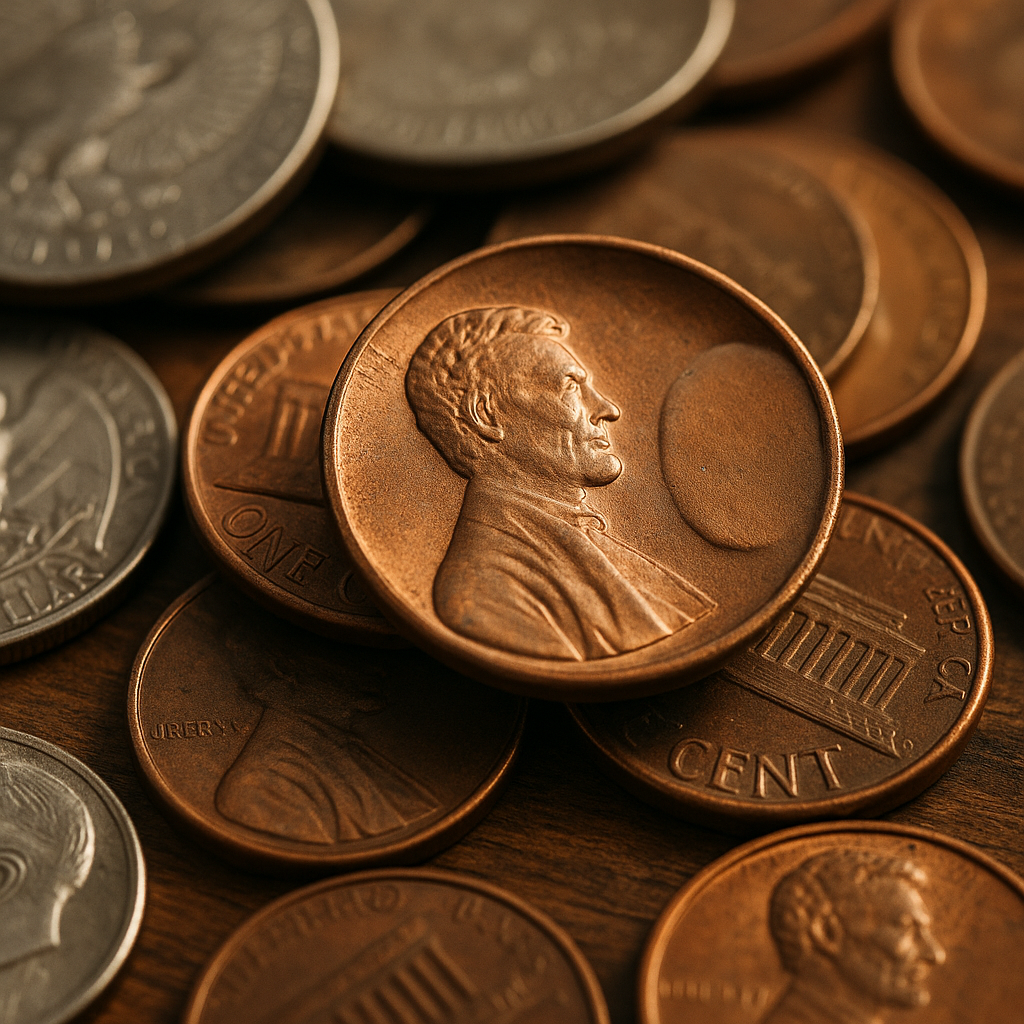
| 1794 Liberty Cap Cent (Double Struck) | $588,000 | Early large cent with dramatic off-center doubling (numistrail.com) |
| 1887 Morgan Dollar Double Struck | $136,715 | Legendary double-strike error, top Morgan error (bradfordexchange.com) |
| 2000-P Sacagawea/Quarter Mule | ~$192,000–$250,000 | Modern mule error with only ~18 known specimens (coinweek.com) |
Highlights of the Rarest Errors
How to Spot and Value Error Coins
1. Rarity and Certification Matter
High-value error coins are almost always certified by PCGS or NGC—with CAC endorsements often adding extra trust and value. Without certification, even dramatic errors may be dismissed or undervalued.
2. Dramatic Visual Impact Wins Attention
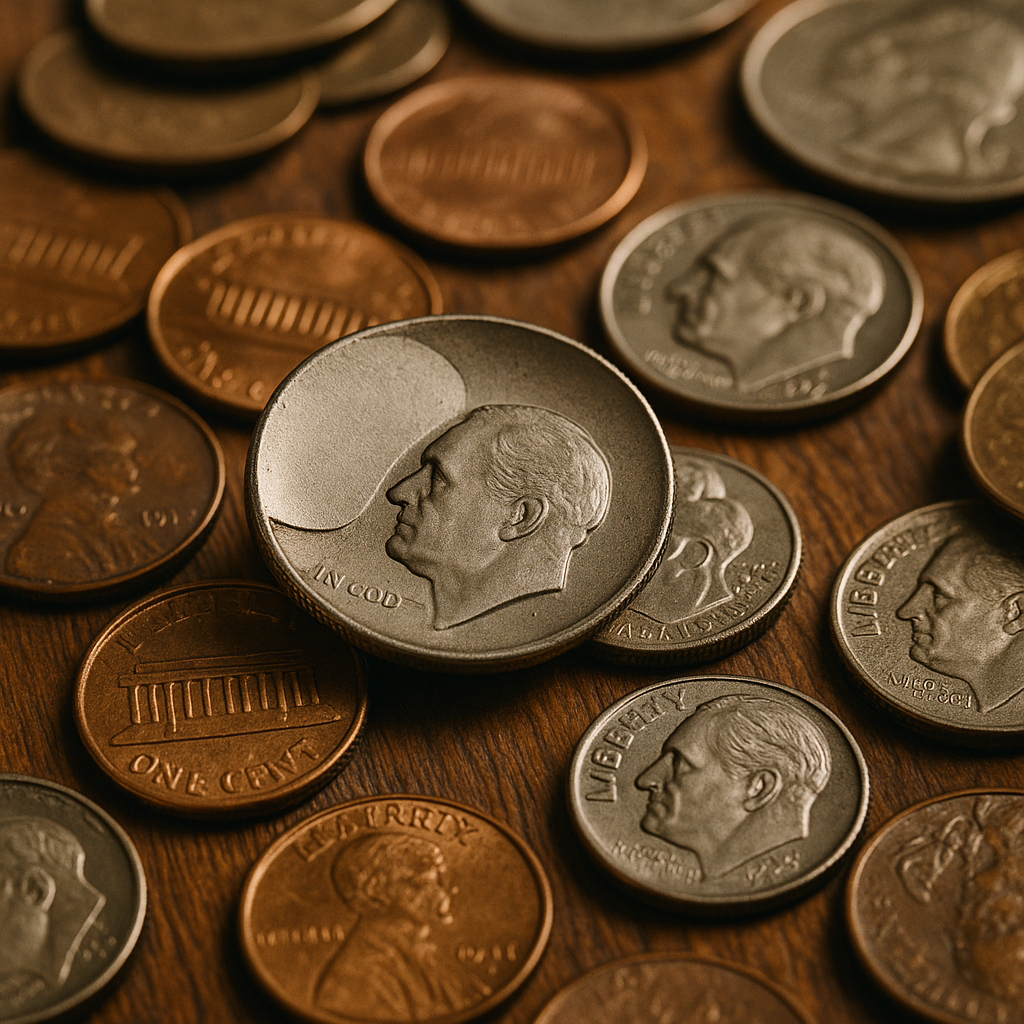
Errors like off-metal strikes, double strikes, or mules that are visible to the naked eye tend to command higher prices than subtle doubling or minor die anomalies.
3. Provenance Is Priceless
Auction documentation, pedigreed ownership, and publication in authoritative numismatic works reinforce a coin’s legitimacy and value.
Buyer’s Guide: What to Look For
| Criterion | Why It Matters |
|---|---|
| Certification (PCGS/NGC) | Ensures authenticity and grade credibility |
| Auction Record | Provides market validation and price benchmark |
| Error Type | Some errors (off-metal, mule) are inherently more valuable |
| Condition / Grade | Higher grades attract more collector interest |
Affiliate Tool Suggestion
Looking to authenticate or value error coins? Consider using Numismatic Grading Services like PCGS or NGC—trusted by collectors and often available via affiliate programs. These services can dramatically increase buyer confidence and resale value.
Internal Resources for Further Reading
Dive deeper into error coin varieties and guides:
Free Appraisal Guide Download
Want to start your own error coin hunt? Download our free “Error Coin Appraisal Checklist”—a handy PDF to help you document condition, note error types, verify certification, and track auction comparables. Use it at coin shows, local shops, or online listings to stay informed and confident.
Final Thoughts
From the legendary 1943 copper cent to modern mule errors, the world of error coin collecting is rich with opportunity—for both treasure hunters and serious numismatists. Understanding what makes an error coin valuable—and knowing where to look—can turn ordinary change into extraordinary finds.
Where to find most valuable error coins
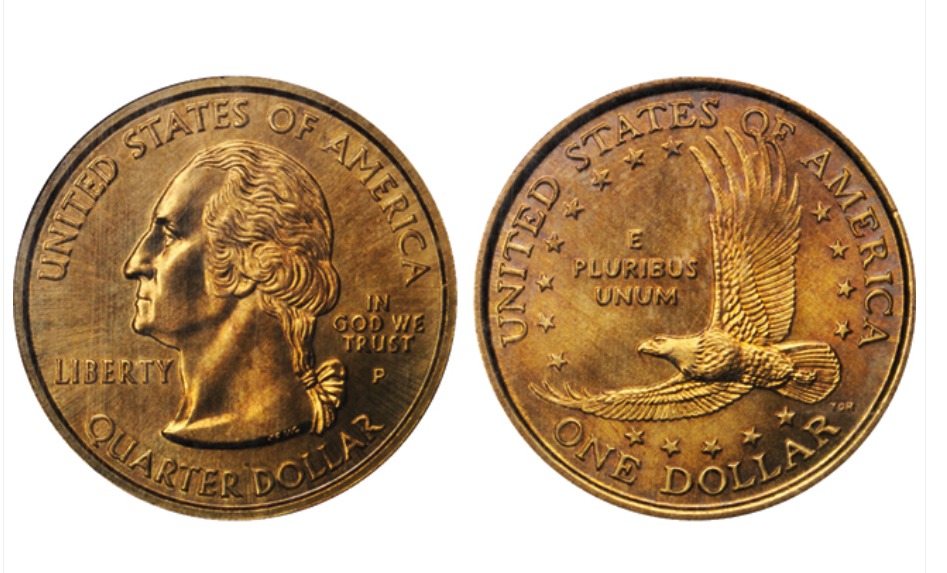
The coin above is called a mule coin. Its half quarter half $1 coin. It is one of the most valuable error coins you can find!
Enjoyed this guide? Sign up for a free Rich Off Error Coins membership to get more expert guides like this one sent straight to your inbox.
\ Get the latest news /