Die Crack Error Coins: How to Spot True Value in Minting Mishaps
 admin
adminThis post contains affiliate links. If you buy through them, we may earn a small commission at no extra cost to you. As an Amazon Associate I earn from qualifying purchases.
Die crack error coins have captured the imagination of numismatists and casual collectors alike. These coins, marked by dramatic or subtle raised lines that snake across their surfaces, are not just mistakes—they are tangible pieces of minting history. The difference between change and treasure is knowing what to look for, and understanding die crack error coins could turn an ordinary pocket find into a prized collectible.
What Are Die Crack Error Coins?
Die crack error coins are the result of a minting die—a hardened steel tool used to stamp coin designs—developing fractures during the striking process. As coins are struck, these cracks manifest as raised lines or ridges on the finished coin’s surface. Unlike post-mint damage, die cracks are part of the original minting process, making each affected coin a unique artifact of mechanical failure and history.
How Die Cracks Form
Over time, the immense pressure used in the minting process can weaken the die. As metal fatigue sets in, cracks begin to form. When the die is used to strike a blank planchet, the metal flows into these cracks, producing the characteristic raised lines. The location, length, and prominence of the crack can vary widely, creating endless possibilities and appeal for collectors.
Why Collectors Seek Die Crack Error Coins
Die crack error coins are not merely curiosities; they are historical snapshots. Each die crack tells a story about the life cycle of minting equipment and the unpredictability of coin production. Collectors are drawn to these coins for several reasons:
Identifying Die Crack Error Coins
The key to turning ordinary change into treasure is knowing what to look for. Here’s how to identify die crack error coins:
Visual Inspection
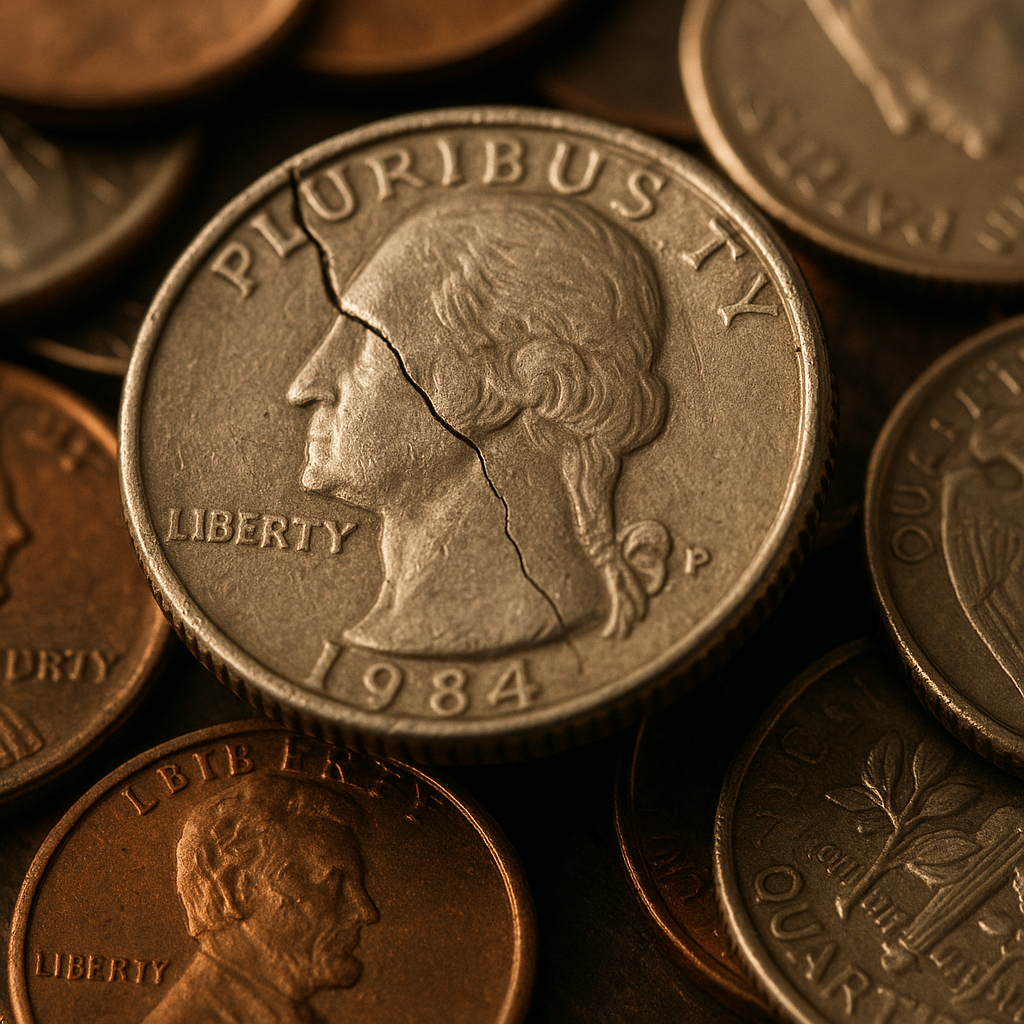
Start with a magnifying glass or loupe. Die cracks appear as raised lines, typically running from the rim toward the center, though they can cut across any part of the coin. Some cracks are thin and delicate, while others are thick and jagged. Unlike scratches or gouges (which are incuse, or cut into the coin), die cracks are always raised above the coin’s surface.
Common Locations for Die Cracks
Differentiating Die Cracks from Other Errors
It’s important not to confuse die cracks with other types of mint errors or post-mint damage:
Die Crack Error Coins and Their Value
Factors Affecting Value
Not all die crack error coins are valuable, but several factors can influence their market appeal:
Examples of Notable Die Crack Error Coins
How to Find Die Crack Error Coins in Circulation
Die crack error coins aren’t limited to rare or old issues—you can sometimes find them in everyday pocket change. Here’s how to increase your odds:
Caring for and Storing Die Crack Error Coins
Once you’ve found a die crack error coin, proper care is essential:
The Difference Between Change and Treasure: Knowing What to Look For
The true value of die crack error coins lies in the collector’s eye. What may appear as a simple flaw is, with knowledge and attention, a window into the minting process and a potential hidden gem. The more you learn about these errors, the more likely you are to spot them—and turn spare change into a numismatic treasure.
Die Crack Error Coins: Common Questions Answered
Are all die crack error coins valuable?
No, not all are valuable, but dramatic or well-documented cracks can command premiums. Value depends on severity, location, rarity, and collector demand.
How can I tell if a die crack is genuine?
Look for raised lines that are part of the coin’s original surface. If in doubt, consult a reputable dealer or submit the coin to a grading service for authentication.
Can die cracks appear on any denomination?
Yes, die cracks can occur on any coin, from pennies to dollars, and across all eras of U.S. and world coinage.
---
Where to find die crack error coins
Enjoyed this guide? Sign up for a free Rich Off Error Coins membership to get more expert guides like this one sent straight to your inbox.