
How to Spot Hidden Value in Change: Unlocking Everyday Treasure
 admin
adminThis post contains affiliate links. If you buy through them, we may earn a small commission at no extra cost to you. As an Amazon Associate I earn from qualifying purchases.
Every coin collector, treasure hunter, or even casual observer has wondered if they might spot hidden value in change lying unnoticed in their pocket or purse. The ability to spot hidden value in change separates casual finders from those who turn small, seemingly insignificant discoveries into substantial gains. In this guide, you'll learn not just the theory, but actionable steps to transform everyday coins into hidden treasures.
Why You Should Learn to Spot Hidden Value in Change
To spot hidden value in change is to see what others overlook. Most people see pocket change as nothing more than a handful of coins, but seasoned collectors know that rare errors, overlooked varieties, and historical oddities can be hiding in plain sight. Whether you're searching for rare coins in pocket change worth a fortune or hoping to discover valuable error coins, developing this skill can be both profitable and deeply rewarding.
What Does It Mean to Spot Hidden Value in Change?
Spotting hidden value in change means more than just picking out shiny coins. It requires a trained eye, knowledge of what makes a coin valuable, and an understanding of the subtle differences between ordinary and extraordinary finds. This process can involve:
By learning to spot hidden value in change, you position yourself to turn everyday transactions into opportunities for discovery.
How to Spot Hidden Value in Change: Key Strategies
1. Master the Basics of Coin Identification
Before you can spot hidden value in change, you need to understand what to look for. Start by familiarizing yourself with:
Resources like our Coin Errors and Varieties hub provide detailed guides to help you distinguish between valuable errors and common damage. For example, learning the difference between mint variations and damage is essential for accurate identification.
2. Focus on High-Value Error Coins and Varieties
Certain errors and varieties are especially prized by collectors. Look for:
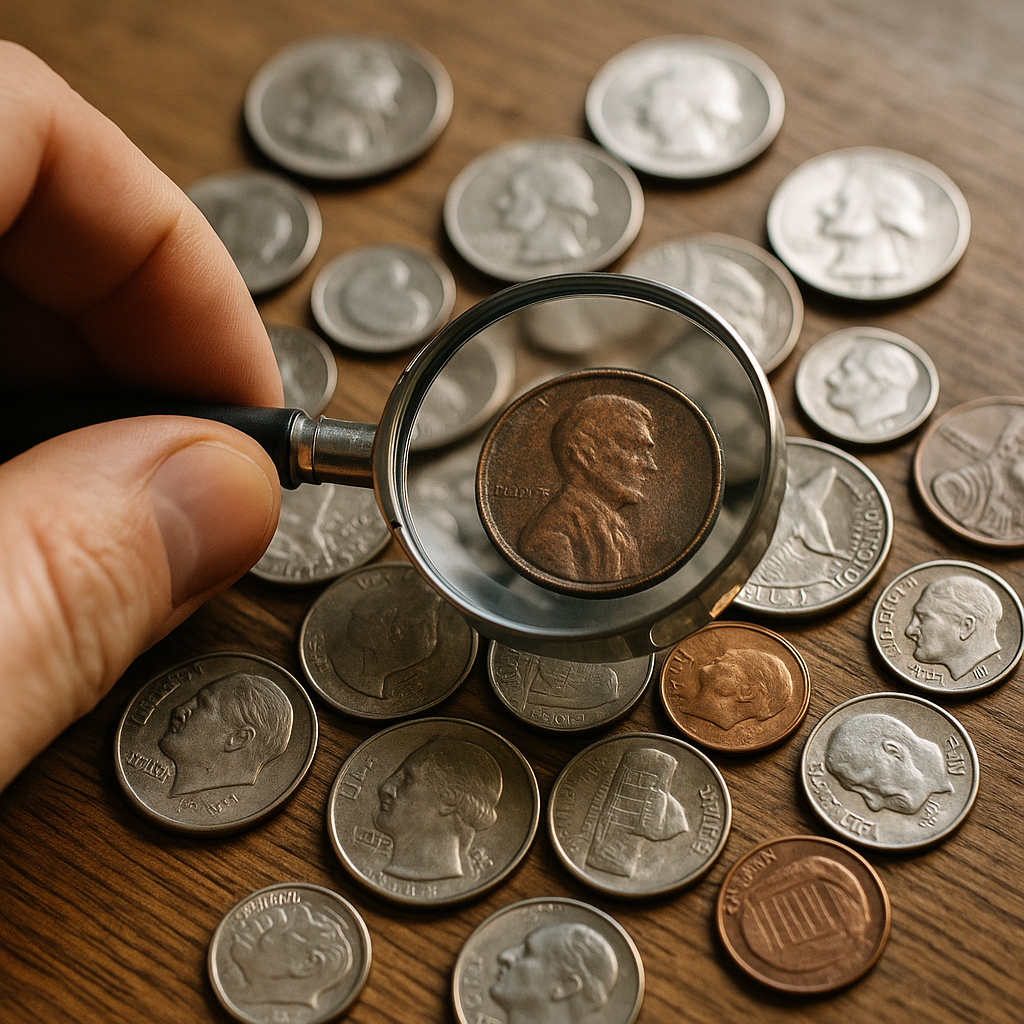
Check out our guides to specific errors, such as the 1980 DDO Penny or the 1970 S Doubled Die Penny, to see real-world examples and learn identification tips.
3. Develop a Routine for Checking Your Change
Consistency is key. Make it a habit to examine your change every day, looking for:
Staying alert can help you spot hidden value in change that others miss. Many valuable finds are made by people who simply pay closer attention than those around them.
4. Use Tools and Resources to Confirm Your Finds
A jeweler’s loupe, smartphone camera, and access to reputable coin guides are invaluable. When you think you’ve found something special:
5. Learn the Patterns of Circulation
Certain types of coins are more likely to appear in circulation in certain regions or during specific time periods. For example, pre-1965 silver coins are rare but still pop up occasionally. Understanding these circulation patterns increases your odds of success.
Spot Hidden Value in Change: Which Coins Are Worth the Most?
Some of the most lucrative finds come from recognizing both common and obscure varieties. Here are a few highlights:
Spot Hidden Value in Change: Common Mistakes to Avoid

While searching for treasure, it’s easy to fall into traps. Avoid these pitfalls:
Real Stories: Everyday People Who Spotted Hidden Value in Change
Collectors frequently report finding valuable coins in their daily transactions. For example, a sharp-eyed collector once pulled a rare doubled die penny from a handful of change at a grocery store—worth over $1,000! Stories like these inspire new searchers to keep looking and learning.
If you want more inspiration, check out our list of Most Valuable Error Coins: The Hidden Treasures Worth Six Figures (and Beyond).
Spot Hidden Value in Change: Building Your Own Treasure Hunt Toolkit
To maximize your chances:
Going Beyond Coins: Other Ways to Spot Hidden Value in Change
While coins are the classic example, the principle applies elsewhere:
Conclusion: The Mindset to Spot Hidden Value in Change
The real difference between change and treasure is knowing what to look for. By learning to spot hidden value in change, you train your mind to see opportunity where others see only routine. Over time, your knowledge and attention to detail can turn ordinary pocket change into an extraordinary collection—or even a tidy profit.
Where to find spot hidden value in change
Enjoyed this guide? Sign up for a free Rich Off Error Coins membership to get more expert guides like this one sent straight to your inbox. You’ll be the first to know about new discoveries, identification tips, and the latest market trends—perfect for anyone eager to spot hidden value in change every day.
\ Get the latest news /