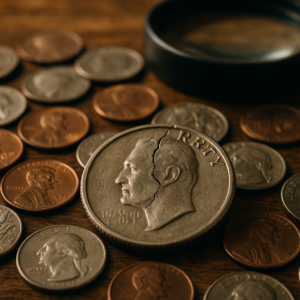
Planchet Error Coins: How to Spot True Numismatic Treasures
 admin
This post contains affiliate links. If you buy through them, we may earn a small commission at no extra cost to you. As an Amazon Associate I earn from qualifying purchases.
If you’ve ever heard that the difference between change and treasure is knowing what to look for, nowhere is this truer than with planchet error coins. These fascinating mint mistakes are among the most sought-after finds in the world of coin collecting, and understanding how to identify them can turn a casual search through your pocket change into a potentially lucrative discovery. In this in-depth guide, we’ll explore what planchet error coins are, how they form, why they matter, and how you can spot them for yourself.
What Are Planchet Error Coins?
Planchet error coins are coins that have been struck on defective or improperly prepared metal blanks, called planchets, before the actual coin design is pressed onto them. Unlike design errors or die varieties, planchet errors occur before the coining process even begins. This distinction makes them some of the most visually striking and collectable mint errors.
A planchet is simply the blank metal disc that will become a coin. If something goes wrong at this stage—such as a clipped planchet, a lamination flaw, or the use of the wrong metal alloy—the resulting coin can exhibit dramatic and unique features. Collectors prize these coins not only for their rarity but also for the glimpse they offer into the complexities of minting.
Types of Planchet Error Coins
Planchet errors come in many forms, each with its own distinct characteristics and causes. Here are some of the most common and valuable types:
Clipped Planchets
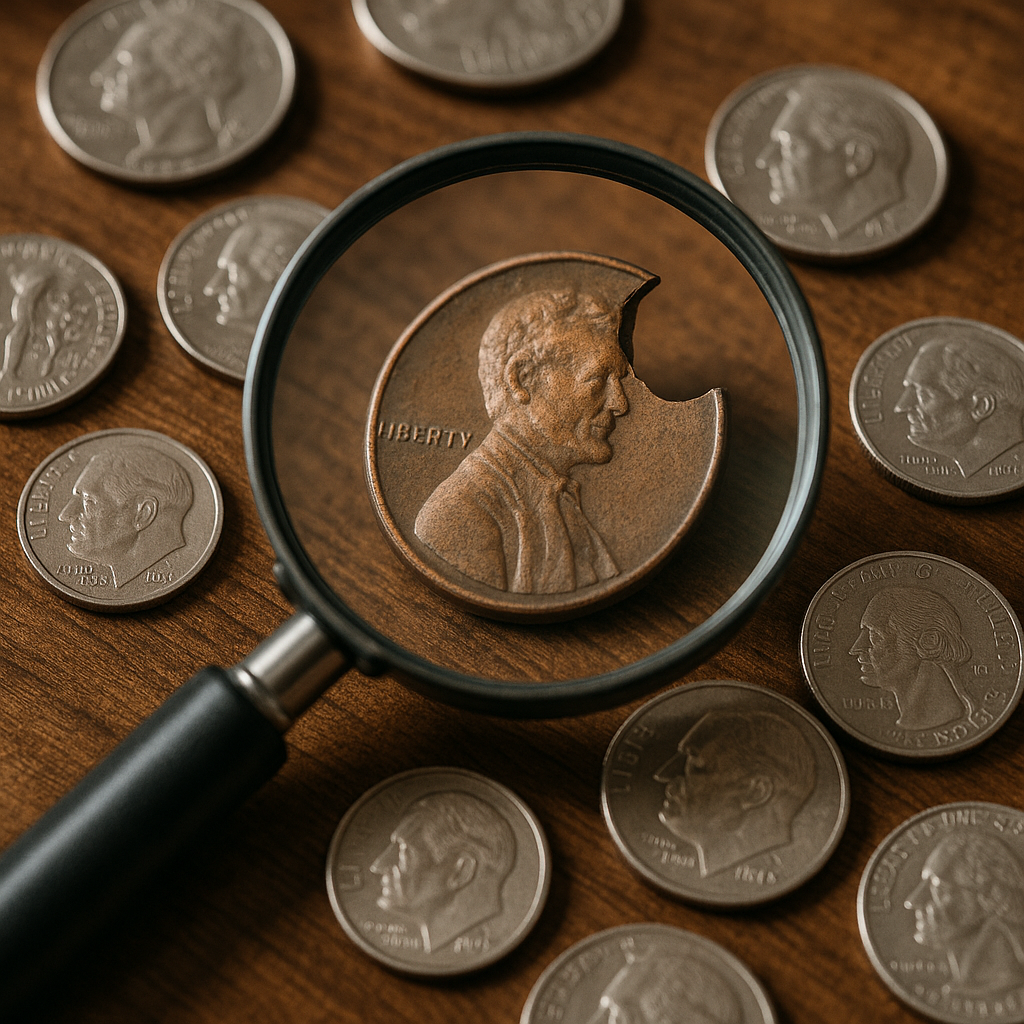
A clipped planchet error occurs when the blank metal strip from which planchets are punched overlaps or misaligns, causing a partial “clip” to be missing from the coin. These usually appear as crescent-shaped bites taken from the edge of the coin.
Lamination Errors
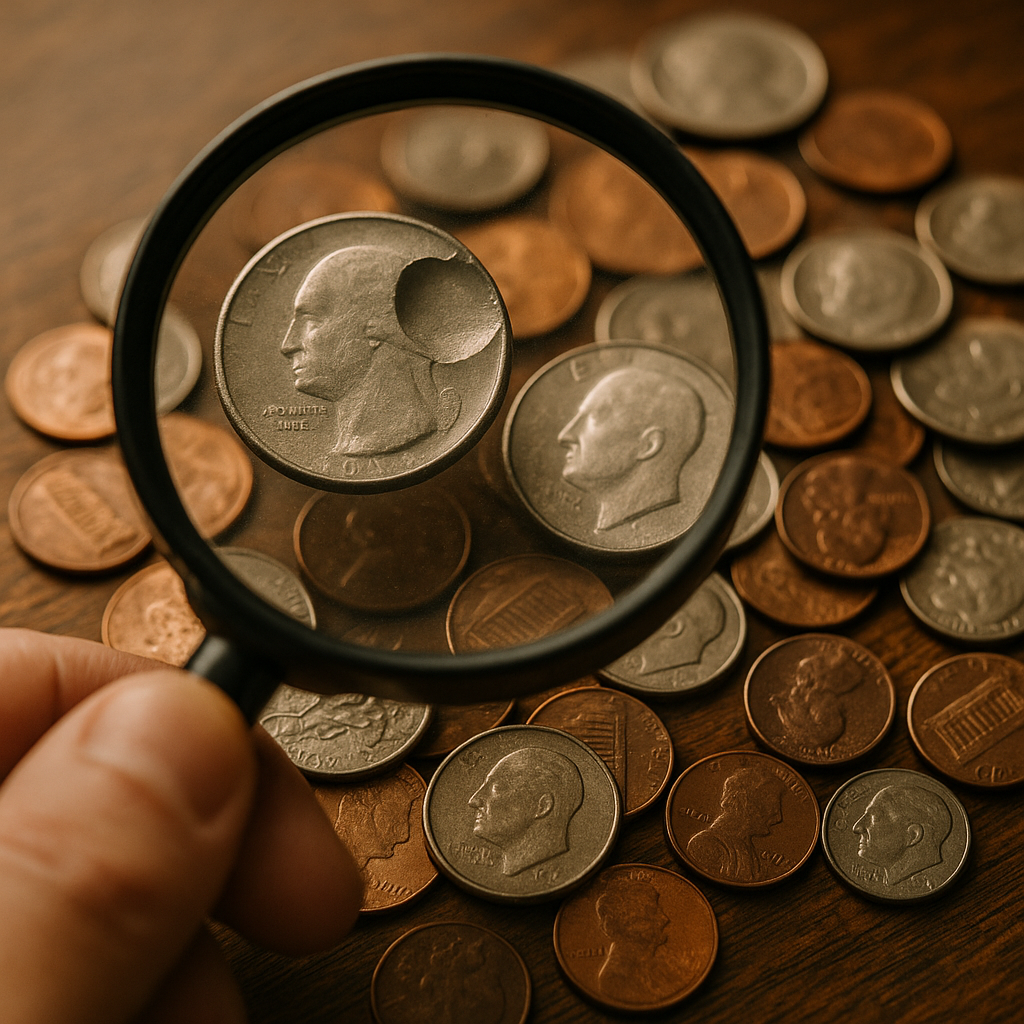
Lamination errors happen when impurities or air pockets in the metal cause layers of the planchet to separate, resulting in peeling or flaking metal after the coin is struck. These coins often display dramatic splits, cracks, or missing pieces on their surfaces.
Wrong Planchet Strikes
Sometimes, a coin is struck on a planchet intended for a different denomination or even a foreign coin. For example, a U.S. dime design struck on a cent planchet. These errors are rare and highly prized by collectors.
Blank Planchets
Occasionally, planchets escape the striking process entirely and are released into circulation as plain, unstruck metal discs. While not technically a “coin” until struck, these blanks are still collected as mint errors.
How Planchet Error Coins Occur: The Minting Process Explained
Understanding how planchet error coins are created requires a look at the minting process:
1. Metal Strips Prepared: Large coils or strips of metal are fed into machines and flattened to the required thickness.
2. Blanks Punched Out: Round blanks (planchets) are punched out from these strips.
3. Annealing and Cleaning: The planchets are softened in an annealing furnace and cleaned to remove residue.
4. Upsetting: The edges are raised to form a rim in the “upsetting” machine.
5. Striking: Each planchet is placed in a coining press and struck with dies to impart the coin’s design.
Errors can occur at any step, but planchet errors specifically arise before the striking stage—during blank production, annealing, cleaning, or upsetting. Mistakes here result in coins with missing metal, cracks, improper thickness, or other telltale flaws.
Why Are Planchet Error Coins Valuable?
The value of planchet error coins comes from a combination of rarity, visual impact, and collector demand. Coins with dramatic or unusual planchet errors—such as large clips, major laminations, or wrong planchet types—are more desirable and can command significant premiums over face value or bullion content.
Some factors that influence value:
How to Identify Genuine Planchet Error Coins
Spotting authentic planchet error coins requires careful observation and a bit of numismatic know-how. Here’s what to look for:
Planchet Error Coins in Modern Circulation
Many collectors wonder if planchet error coins can still be found in everyday change. The answer is yes, but it’s increasingly rare due to modern quality control at the mints. However, coins from earlier decades, especially before the 1980s, are more likely to show dramatic errors. Searching through bank rolls, coin jars, and estate collections can still yield unexpected treasures.
Famous Examples of Planchet Error Coins
Some planchet error coins have become legends in the numismatic world:
Planchet Error Coins vs. Other Mint Errors
It’s important to distinguish planchet error coins from other types of mint mistakes:
Collecting and Selling Planchet Error Coins
If you’re interested in collecting planchet error coins, consider these tips:
When selling planchet error coins, authentication by a reputable grading service (such as PCGS or NGC) can increase buyer confidence and final sale price.
Planchet Error Coins: What to Look for in Your Change
The thrill of the hunt is a big part of the appeal. Knowing what to look for in planchet error coins can turn a handful of ordinary change into a collection with real historical and financial value. Whether you’re a seasoned numismatist or a curious beginner, keep these tips in mind:
Conclusion: The Difference Between Change and Treasure
Planchet error coins are a testament to the unpredictable and fascinating world of minting. By learning how to identify these rare treasures, you can transform ordinary coins into valuable collectibles—and perhaps even make history yourself. Start searching, stay curious, and remember: the real difference between change and treasure is knowing what to look for.
Where to find planchet error coins
Enjoyed this guide? Sign up for a free Rich Off Error Coins membership to get more expert guides like this one sent straight to your inbox.