Valuable Pocket Change: 15 Rare Coins in Circulation Worth Thousands
 admin
adminValuable Pocket Change: 15 Rare Coins in Circulation Worth Thousands
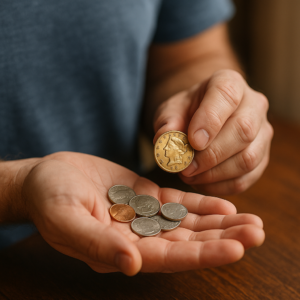
Most people view spare change as pocket clutter. It gets tossed into car cup holders, emptied into decorative glass jars on dresser tops, or dumped carelessly into self-checkout machines. But to a seasoned collector, every handful of loose change represents an unsearched treasure hunt.
Millions of coins pass through everyday commerce across the United States, and mixed into that steady stream of metal are genuine numismatic gems. From rare die varieties and transitional alloys to striking errors that escaped quality control at the Mint, valuable coins in pocket change are far more common than most people realize. Some carry modest premiums of $10 to $50, while others can fetch hundreds—or even tens of thousands—of dollars at auction.
Before you spend that next handful of change, use this guide to learn the exact dates, mint marks, and visual diagnostics to inspect before spending a potential fortune.
---
Why Valuable Coins Are Still Hiding in Plain Sight
How does a coin worth thousands end up back in circulation? It usually happens in one of three ways:
1. Inherited Collections Spent as Face Value: Non-collectors frequently inherit estates, piggy banks, or coin tins and take them directly to the bank or a grocery store coin kiosk without checking the dates.
2. Subtle Die Varieties: Unlike dramatic off-center strikes that get pulled off the assembly line, die varieties feature subtle design differences—such as doubled lettering or missing mint marks—that blend right into regular production runs.
3. Modern Mint Flukes: With billions of coins struck annually at the Philadelphia and Denver facilities, minor die variations and transitional planchet slip-ups inevitably escape into canvas transit bags and shipping rolls.
Understanding the distinction between true varieties and mechanical machine damage is essential. Exploring foundational resources on coin errors and varieties can help you train your eyes to distinguish true collectibility from ordinary post-mint wear.
---
Top 15 Coins in Circulation Worth Serious Money
| Coin Description | Key Marker / Diagnostic | Typical Circulated Value | Top Mint State Value |
|---|---|---|---|
| 1969-S DDO Lincoln Cent | Extreme doubling on "LIBERTY" and "IN GOD WE TRUST" | $10,000 – $25,000 | $120,000+ |
| 1972 DDO Lincoln Cent (FS-101) | Bold northward doubling across all obverse lettering | $100 – $350 | $1,000+ |
| 1982 "No P" Roosevelt Dime | Missing "P" mint mark above the date | $50 – $150 | $300 – $600 |
| 1983 Doubled Die Reverse Cent | Doubling on "ONE CENT" and "UNITED STATES OF AMERICA" | $75 – $200 | $400 – $700 |
| 1992 "Close AM" Lincoln Cent | Letters "A" and "M" in "AMERICA" touch at bottom | $500 – $1,500 | $5,000 – $25,000 |
| 1995 DDO Lincoln Cent | Doubling on "LIBERTY", especially "BER" | $15 – $40 | $75 – $120 |
| 1999 "Wide AM" Lincoln Cent | Clear gap between "A" and "M" in "AMERICA" | $75 – $150 | $400 – $1,000 |
| 2004-D Wisconsin Extra Leaf Quarter | Extra raised leaf line on the left side of corn ear | $50 – $125 | $300 – $1,500 |
| 2005-P Speared Bison Jefferson Nickel | Die gouge running through the bison's back | $40 – $100 | $350 – $1,200 |
| Pre-1965 90% Silver Quarters/Dimes | Solid silver edge (no copper strip visible) | Melt value (~$4–$5+) | $20 – $100+ |
| 1970-S Small Date Lincoln Cent | Top of date digits align evenly horizontally | $20 – $50 | $150 – $600 |
| 2000-P "Cheerios" Sacagawea Dollar | Detailed, enhanced tail feathers on reverse eagle | $500 – $1,200 | $3,000 – $10,000 |
| 2008-W (Reverse of 2007) Silver Eagle | Modern font with no spur on letter "U" in "UNITED" | $150 – $300 | $600 – $1,200 |
| 2019-W & 2020-W National Park Quarters | "W" mint mark for West Point Mint | $8 – $18 | $25 – $50 |
| 2005-D "In God We Rust" Kansas Quarter | Grease-filled die obscuring the "T" in "TRUST" | $10 – $35 | $50 – $100 |
---
1. 1969-S Doubled Die Obverse Lincoln Cent
The 1969-S Doubled Die Obverse is legendary in modern American numismatics. When first reported in 1969, the Secret Service briefly confiscated specimens suspecting counterfeits, before the Mint officially confirmed they were authentic doubled dies.
2. 1972 Doubled Die Obverse Lincoln Cent (FS-101)
While there are nine recognized doubled die varieties for the 1972 cent, the die designated FS-101 stands far above the rest.
3. 1982 "No P" Roosevelt Dime
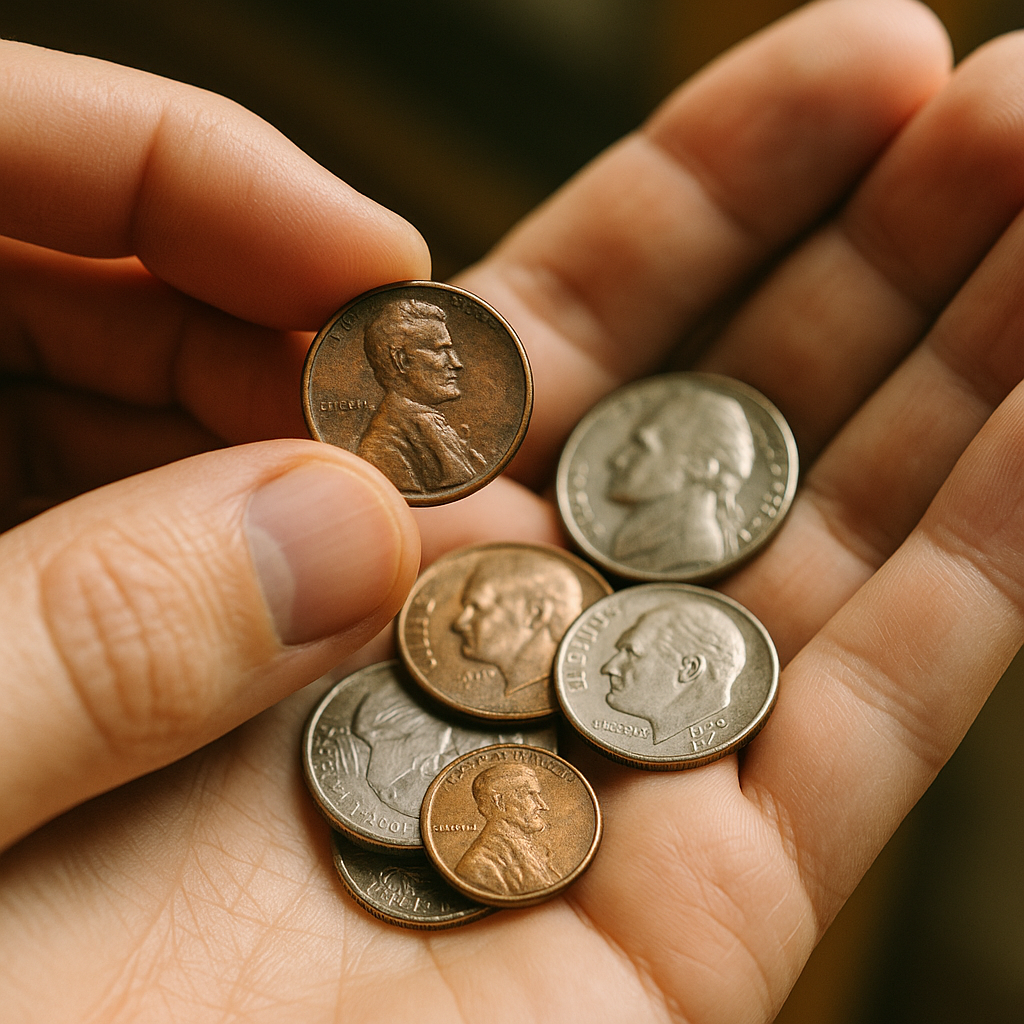
In 1980, the Philadelphia Mint began adding the "P" mint mark to all dime denominations. In late 1982, an obverse working die entered service without the mint mark ever being punched into it.
4. 1983 Doubled Die Reverse Lincoln Cent
In 1983, the U.S. Mint produced one of the most prominent reverse varieties in the Lincoln Memorial series.
5. 1992 "Close AM" Lincoln Cent (Philadelphia & Denver)
In 1993, the Mint modified the reverse master hub for Lincoln cents. In 1992, a small number of transitional dies intended for 1993 proof coinage were accidentally paired with business-strike obverses.
6. 1995 Doubled Die Obverse Lincoln Cent
This modern variety proved that valuable errors could still enter circulation in the digital era. Thousands slipped through the Philadelphia Mint before the die was retired.
7. 1999 "Wide AM" Lincoln Cent
Just as transitional dies struck earlier 1992 coins, the reverse happened in the late 1990s. In 1999, proof reverse hubs (which featured a "Wide AM" layout) were mistakenly used on business-strike coins.
8. 2004-D Wisconsin Extra Leaf Quarters
Discovered in late 2004 in Tucson, Arizona, the Wisconsin 50 State Quarter features two distinct, famous die varieties: the "Extra High Leaf" and the "Extra Low Leaf".
9. 2005-P "Speared Bison" Jefferson Nickel
When the U.S. Mint revived the Bison motif for the 2005 Westward Journey nickel series, a deep die gouge developed across one of the reverse dies.
10. Pre-1965 90% Silver Dimes and Quarters
Perhaps the most reliable finds in everyday circulation are pre-1965 silver coins that slip past cashiers.
11. 1970-S Small Date Lincoln Cent
The 1970-S cent was struck with two distinct obverse master dies: the "Large Date" and the rare "Small Date" (Level 7).
12. 2000-P "Cheerios" Sacagawea Dollar
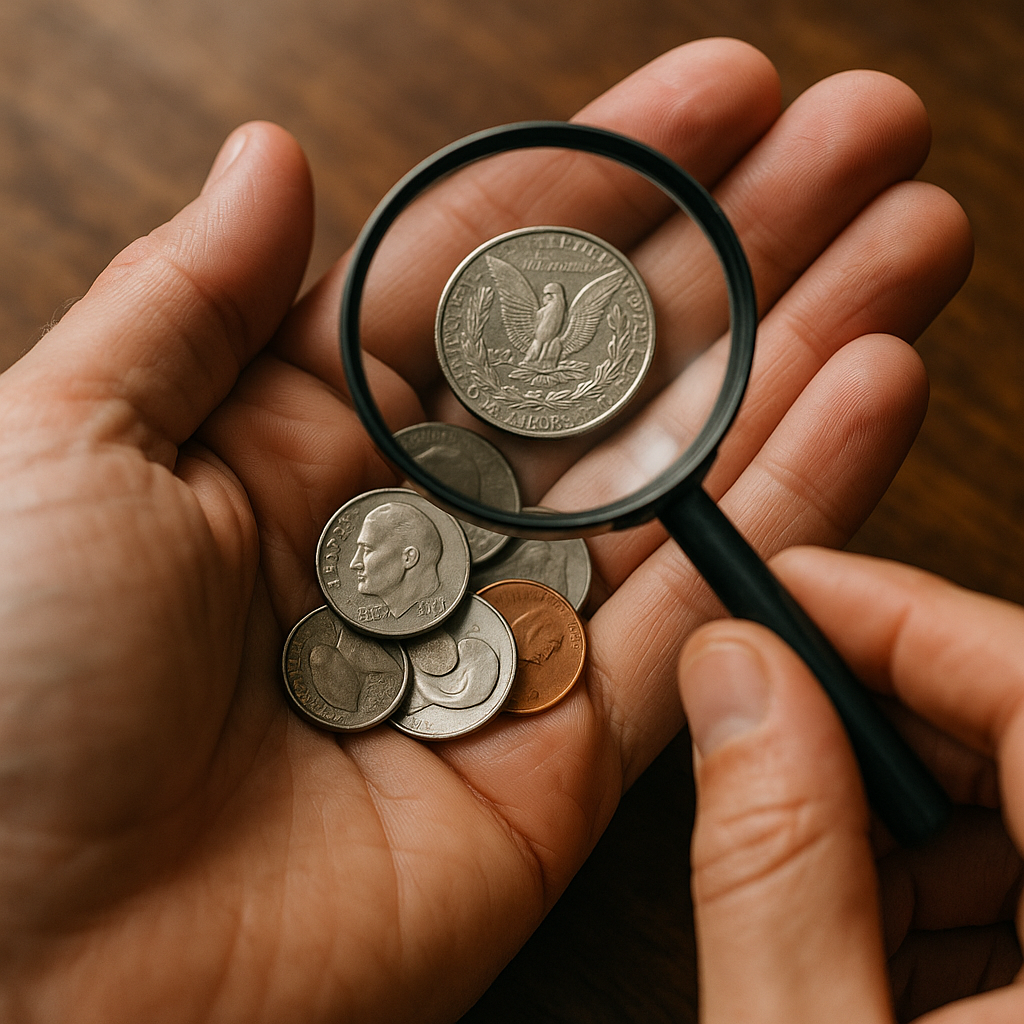
In early 2000, General Mills partnered with the U.S. Mint to place 5,500 Sacagawea dollars inside boxes of Cheerios cereal. Years later, collectors discovered that these promotional coins were struck using a prototype reverse die with distinct feather details.
13. 2008-W (Reverse of 2007) American Silver Eagle
While bullion Silver Eagles rarely enter cash registers, uncirculated specimens and fractional bullion do occasionally get spent at face value by uninformed heirs.
14. 2019-W and 2020-W West Point Mint Quarters
To stimulate coin collecting among the general public, the U.S. Mint intentionally struck 2 million quarters per design at the West Point Mint in 2019 and 2020 and placed them directly into circulation mixed with standard Philadelphia and Denver rolls.
15. 2005-D "In God We Rust" Kansas 50 State Quarter
A grease-filled die error created this humorous and widely collected modern coin.
---
How to Examine and Protect Your Discoveries
Finding a rare variety requires the right routine and proper tools. Here is how to inspect your pocket change like a professional:
---
Next Steps: Authentication and Grading
If you discover an error or variety that appears to match one of the descriptions above, compare your coin against verified photographic databases such as PCGS CoinFacts or Variety Vista.
When a match looks genuine and is valued above $100, submitting the coin to an independent third-party grading service—such as the Professional Coin Grading Service (PCGS) or the Numismatic Guaranty Company (NGC)—is the best way to verify authenticity, lock in a standard numerical grade, and guarantee maximum value when selling to prospective buyers or auction houses.
If you loved this guide, consider signing up for our free newsletter to get coin hunting tips, variety checklists, and recent auction alerts delivered straight to your inbox. It is a quick and simple way to keep your eyes sharp so you never accidentally spend a rare, high-value coin again.
\ Get the latest news /